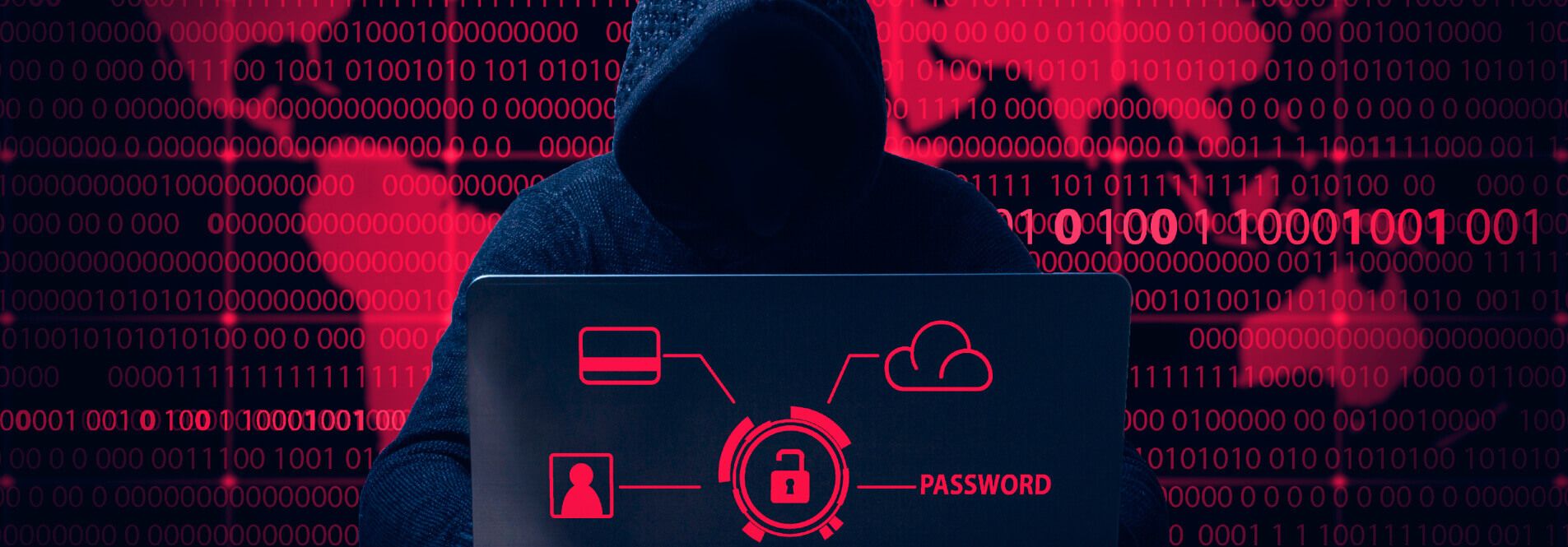
Key Takeaways of the Article
External breaches dominate. External attacks, particularly through system intrusion, are the most common type of data breach. Hackers often use stolen credentials, making breaches more frequent than data encryption attacks.
Human error remains critical. Accidental disclosures, often caused by employee mistakes like misdirected emails or misconfigured systems, account for a large portion of breaches. A significant percentage of such corporate security breaches is a direct result of human oversight.
Phishing and ransomware incidents are rising. Phishing scams continue to lead the charge in data breaches, causing significant financial and data losses. Meanwhile, ransomware remains prevalent in nearly half of all breaches, impacting businesses with high recovery costs.
Insider threats pose a significant risk. Insider threats are a growing concern, with many organizations experiencing data loss due to employees, contractors, or third-party vendors. Most of these incidents stem from carelessness, highlighting the need for stricter access controls.
Physical theft is rare, but costly. While physical theft, such as stolen laptops or hard drives, is less frequent (around 5% of incidents), the financial impact is often substantial, with losses reaching millions of dollars.
VDRs offer secure data sharing. Virtual Data Rooms (VDRs) provide an encrypted, secure environment for sharing sensitive documents, making them an ideal solution for corporate transactions like M&A.
Timely response and regulatory compliance matter. Immediate action is crucial when a breach occurs. Adhering to regulations (like GDPR and CCPA) and notifying affected parties quickly can help reduce damage and rebuild trust.
Data breaches are on the rise, with their financial impact growing exponentially. The average cost of a data breach in 2025 is estimated at $4.44 million, while the cost in the U.S. exceeds $10 million. Businesses can only safeguard themselves by understanding the most common types of breaches, implementing strong security measures, and having a plan in place for responding to incidents. This article delves into seven of the most prevalent types of data breaches, preventative measures, and actions to take in the event of a breach.
The 7 Most Common Types of Data Breaches
So, let’s talk about common types of data leakage.

Hacking/IT Incidents
Cyber-attacks targeting vulnerabilities in programs and infrastructure remain the most common form of data breach. System Intrusion is the leading method for external attacks, accounting for a significant portion of data breaches. These attacks often rely on stolen login credentials. In fact, 30% of breaches in 2025 were facilitated by valid user credentials, making data theft a more frequent goal than data encryption. System intrusions lead to data loss, system downtime, and costly recovery efforts.
Accidental Disclosure
Human error continues to be a significant factor in data breaches, with mistakes like misaddressed emails and misconfigured cloud settings being the leading causes of accidental data leaks. Miscellaneous Errors are twice as frequent as abuse of privilege, and a large percentage of actions taken by end-users are due to accidental disclosures. Accidental data leaks damage reputations and lead to financial and legal penalties.

Phishing
Phishing attacks, which involve tricking individuals into revealing login information or downloading malicious files, remain one of the top causes of data breaches. Phishing is the third most common access vector, responsible for 17% of breaches. The attacks result in compromised data, financial losses, and customer trust issues. On average, the cost of a phishing attack exceeds $4.8 million. Phishing causes significant financial losses and compromises sensitive information.
Malware and Ransomware
Malware, including viruses, Trojans, and ransomware, remains a significant threat. Ransomware attacks have become more prevalent, with one notable example being the WannaCry incident in 2017, which affected over 230,000 devices. Since then, ransomware attacks have only intensified. In 2025, ransomware was involved in 44% of data breaches, with the average cost of recovery from such incidents exceeding $5 million.
Ransomware attacks lead to operational downtime, financial losses, and compromised data. The cost of recovery can be astronomical, and businesses may face long-lasting reputational damage.
Insider Threats
Insider threats come from employees, contractors, or third-party vendors who have access to sensitive company data. A significant percentage of organizations experience data loss due to insiders. While some of these incidents are intentional, many stem from carelessness or negligence. It’s reported that 77% of organizations have encountered data loss from insiders, with 62% of cases linked to negligent actions, while only 16% were caused by malicious intent.

The damage caused by insider threats is often expensive, and these breaches are particularly difficult to detect due to the insider's access to internal systems. This type of breach can also lead to significant loss of intellectual property.
Physical Theft
While rare, physical theft, such as the theft of laptops or hard drives containing sensitive data, can lead to major breaches. For instance, a hospital in the U.S. reported a data breach after a computer was stolen, exposing the personal information of over 2,000 patients. Although physical theft accounts for only around 5% of breaches, the financial damage from such incidents can be severe, with losses potentially reaching up to $2 million.
The theft of physical devices containing confidential information poses a significant risk, leading to both data loss and financial repercussions. Without proper encryption and physical security measures, businesses can face substantial damage.
Unintentional Disclosure
Unintentional disclosure happens when data is mistakenly shared with unauthorized parties. This can include sending sensitive information to the wrong email address or misconfiguring cloud storage settings that inadvertently expose files to the public. These types of security breaches are often caused by simple human error but can result in significant damage. A common example is a company accidentally sending financial records or personal data to the wrong recipient.
Unintentional disclosures breach confidentiality and can result in legal consequences, fines, and damage to an organization’s reputation.
How to Prevent Data Breaches
Multi-Factor Authentication and Password Management
Utilizing strong, unique passwords combined with multi-factor authentication (MFA) for all systems significantly reduces the risk of credential theft. Ensuring that every service is protected with MFA adds an extra layer of security that can stop unauthorized access.
Data Encryption
Encryption of files and network traffic, especially with standards like AES-256, ensures that even if sensitive data is intercepted or stolen, it remains unreadable. Encryption is a vital tool in protecting both physical devices and network communication.
Employee Training
Regular training sessions for employees on recognizing phishing attempts, following best practices for data handling, and maintaining a culture of security awareness are crucial in preventing accidental data breaches. Employee negligence remains one of the top causes of insider threats, so continuous education is essential.
Audits and Penetration Testing
Regular audits of systems, scanning for vulnerabilities, and penetration testing help identify and address weaknesses before they can be exploited by attackers. Regular security audits ensure that security measures are up-to-date and effective.
Backup and Recovery Plans
Automating backups and testing the recovery process regularly helps businesses recover from ransomware attacks without paying the ransom. Having a well-established disaster recovery plan ensures that operations can continue with minimal downtime in the event of a breach.
AI Monitoring and Behavioral Analysis
Implementing AI-based security solutions that monitor user behavior and network activity can help detect anomalies early. These tools can identify suspicious behavior or potential threats faster than traditional methods, enabling a quicker response.
Physical Security and Vendor Risk Management
Secure mobile device management and encryption for all devices can mitigate the risks associated with physical theft. Additionally, evaluating the cybersecurity practices of third-party vendors and partners helps reduce supply chain risks.
Why Use Virtual Data Rooms (VDR)
Virtual Data Rooms (VDRs) offer secure online storage for exchanging sensitive files. They utilize AES-256 encryption, secure key management, and end-to-end encryption to protect data. VDRs also require multi-factor authentication and can restrict access based on IP addresses, adding extra security layers.
Each action within a VDR is logged, ensuring comprehensive audit trails that meet GDPR, HIPAA, and other regulatory requirements. VDRs are commonly used in M&A deals, clinical trials, legal disputes, and any other situation where confidential information needs to be securely shared among multiple parties. Unlike traditional file-sharing services, VDRs allow granular permission controls, minimizing the risk of accidental disclosures.
Using a VDR ensures secure data sharing and provides a clear audit trail.
What to Do if a Data Breach Occurs
Containment and Team Assembly. In the immediate aftermath, isolate affected systems, preserve logs, and assemble a cross-functional team (IT, legal, PR). Document every step and avoid destroying evidence.
Notification. Notify affected clients, partners, and regulatory bodies transparently. In the EU, GDPR mandates that breaches be reported within 72 hours. In the U.S., timelines vary based on the jurisdiction (e.g., HIPAA requires notification within 60 days).
Investigation and Remediation. Analyze logs and network traffic to identify the root cause of the breach. Apply patches, reset credentials, and review security policies. Ensure any fixes are thoroughly tested before returning systems to operation.
Follow-Up Steps. Notify law enforcement and regulatory bodies, check third-party access, and reduce unnecessary privileges. For long-term resilience, invest in AI technologies, improve data classification, and conduct regular employee training.
Conclusion
Data breaches come in many forms, from sophisticated cyberattacks to simple mistakes. Most incidents can be prevented by combining technical measures (like encryption, MFA, and monitoring) with employee education. Virtual Data Rooms provide secure platforms for sensitive document sharing. If a breach does occur, responding quickly—by isolating systems, notifying stakeholders, addressing vulnerabilities, and enhancing security—can minimize financial and reputational losses, strengthening business resilience over time.
FAQ
How can I detect a data breach?
Signs of a breach include unexpected system errors, unusual login activity, suspicious behavior in logs, and customer complaints. According to IBM, the average time to detect a breach is around 194 days, so it’s essential to use monitoring systems and respond to anomalies quickly.
What’s the difference between hacking and phishing?
Hacking involves exploiting technical vulnerabilities, such as vulnerabilities in web applications, while phishing relies on deceiving the user into revealing sensitive information or downloading malicious files. These methods are often combined: phishing emails steal credentials that are then used for system intrusion.
How can I reduce the risk of phishing?
Create a culture of skepticism: employees should verify the sender’s address, avoid clicking on suspicious links, and be cautious with email attachments. Implement email filtering, SPF/DKIM, and mandatory MFA to ensure that stolen passwords don’t lead to a breach. Regular training helps reduce successful attacks.
What should I do if sensitive data is leaked?
Immediately notify affected individuals, offer password resets, and activate credit monitoring. Inform banks, partners, and regulators, and preserve evidence for law enforcement. Within the company, fix vulnerabilities, reassess access policies, and strengthen encryption.
How can I identify insider threats?
Insider threats can be both intentional and accidental. Behavioral monitoring systems track unusual activities, like large data downloads, and apply the principle of least privilege to minimize risk. Regular audits of access rights and logging of user actions are key to detecting these threats early.