A bolt-on acquisition is a deal where a larger company expands by adding smaller, complementary businesses into its structure. These targeted deals strengthen capabilities, expand market presence, and improve efficiency without the complexity of large-scale mergers. Bolt-on acquisitions deliver measurable value with lower risk by focusing on strategic alignment. This article examines their definition, benefits, target selection process, industry applications, execution steps, and potential obstacles, highlighting their role in driving scalable growth across diverse sectors.
Defining Bolt-On Acquisitions
A bolt-on acquisition occurs when a larger company purchases a smaller entity to enhance its operations. These deals target businesses that align closely with the acquirer’s core activities, such as adding product lines, entering new markets, or adopting advanced technologies. Unlike transformative mergers, bolt-ons prioritize seamless integration and immediate value creation. Private equity firms and corporations widely use them to achieve focused growth. For example, a retail chain might acquire a regional competitor to expand its footprint while leveraging existing logistics networks. Similarly, a manufacturing firm could acquire a supplier to streamline its production process, ensuring cost savings and supply chain reliability.
Benefits of Bolt-On Acquisitions

Bolt-on acquisitions provide multiple advantages for companies pursuing efficient expansion:
Strengthened Capabilities: Acquiring firms gain new products, services, or technologies without the time and cost of internal development. It allows rapid adaptation to market demands.
Broader Market Reach: These deals enable access to new regions, customer segments, or distribution channels, increasing market share and revenue potential.
Improved Efficiency: Leveraging existing infrastructure, such as warehouses or IT systems, reduces operational costs and redundancies.
Faster Growth: Bolt-ons allow companies to scale quickly compared to organic expansion, which may require years of investment and development.
Lower Risk: Smaller transactions carry less financial and operational risk than large mergers, minimizing potential disruptions to core operations.
These benefits make bolt-ons an attractive strategy for firms aiming to stay competitive while maintaining operational stability. For instance, a consumer goods company might acquire a niche brand to diversify its portfolio, appealing to new demographics without overhauling its business model.
Selecting Suitable Bolt-On Targets
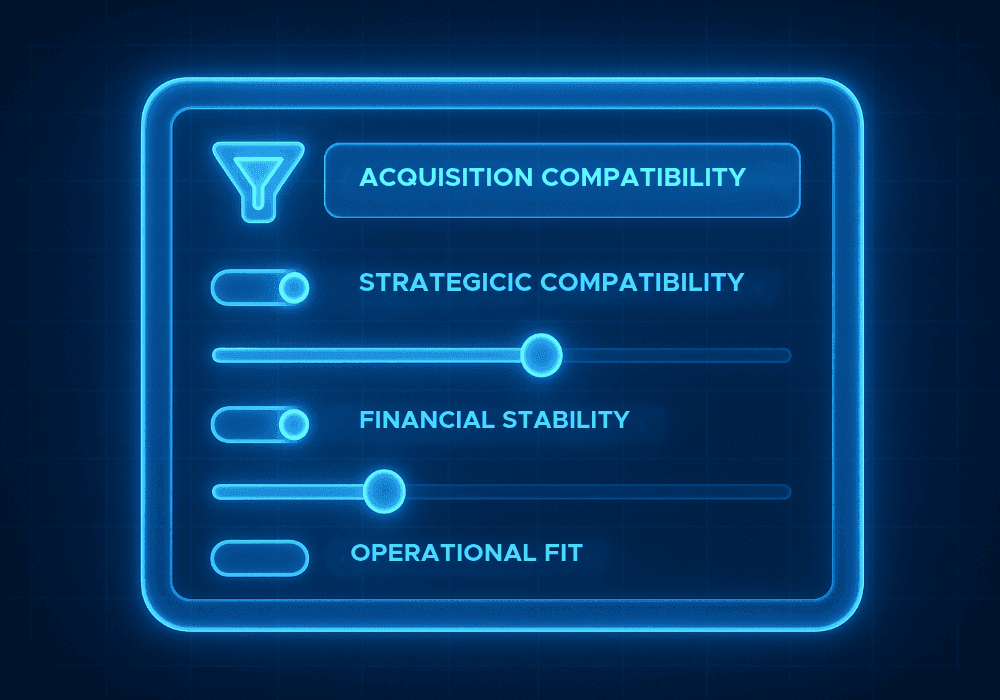
Choosing the right acquisition target requires a disciplined approach to ensure alignment and value creation:
Strategic Alignment: The target must support the company’s long-term goals, such as innovation, market leadership, or diversification of offerings.
Financial Stability: To ensure financial viability, targets should have consistent revenue streams, manageable debt, and clear growth potential.
Operational Compatibility: Shared values, systems, and processes facilitate smoother post-acquisition integration, reducing operational friction.
Growth Potential: The target should offer opportunities for scaling operations, improving cost structures, or entering high-growth markets.
Competitive Edge: Firms with strong customer bases, unique offerings, or proprietary technologies provide immediate value to the acquirer.
For example, a software company might target a startup with a niche product that complements its existing suite, ensuring a stronger market position. Similarly, a food and beverage company could acquire a regional distributor to enhance its market penetration in underserved areas, leveraging local expertise and networks.
Applications Across Industries
Bolt-on acquisitions are versatile, addressing specific strategic needs across multiple sectors with tailored approaches.

Private Equity and Platform Growth
Private equity firms frequently use bolt-on acquisitions to strengthen platform companies. By acquiring smaller businesses, they diversify revenue streams, consolidate fragmented markets, and increase valuations before exits. For example, a private equity-backed logistics firm might acquire regional trucking companies to create a national network, enhancing operational scale and market dominance. These deals often target industries like manufacturing or retail, where consolidation creates economies of scale and competitive advantages.
Technology and SaaS Development
In the technology sector, bolt-on acquisitions expand software-as-a-service (SaaS) offerings. Acquiring specialized tools or complementary platforms allows companies to deliver integrated solutions, improve customer retention, and capture larger market shares. For instance, a SaaS provider might acquire a data analytics firm to enhance its platform, offering customers a more comprehensive solution. This approach also helps tech firms stay ahead of competitors by rapidly incorporating emerging technologies, such as artificial intelligence or cloud-based tools, into their ecosystems.
Healthcare and Life Sciences Integration
Healthcare companies use bolt-ons to consolidate services or expand specialized capabilities. Acquiring regional clinics, diagnostic labs, or biotech startups enables larger providers to extend their networks, access innovative treatments, or improve patient care. These deals prioritize regulatory compliance and operational synergy. For example, a hospital chain might acquire a telemedicine provider to meet growing demand for virtual care, aligning with industry trends toward digital health solutions. Similarly, a pharmaceutical firm could acquire a biotech startup to gain access to cutting-edge therapies, accelerating its research pipeline.
Steps for a Successful Bolt-On Acquisition
A bolt-on acquisition requires a structured process to maximize value and minimize risks across all stages.

Target Identification
The process begins by defining criteria aligned with strategic objectives. Companies analyze market trends, competitor activities, and internal gaps to identify targets that fit their vision. This step often involves market research, industry reports, and stakeholder consultations to ensure alignment with business goals. For example, a retailer might identify targets based on geographic gaps in its store network or emerging consumer trends.
Initial Assessment
Preliminary evaluations focus on the target’s financial performance, market position, and strategic fit. High-level discussions with the target’s leadership gauge mutual interest and confirm operational compatibility. This stage helps filter out unsuitable candidates early, saving time and resources. Financial metrics like revenue growth and profitability are assessed alongside qualitative factors like brand reputation.
Due Diligence
Comprehensive due diligence investigates the target’s financial records, contracts, legal status, and operational risks. This step examines customer retention rates, intellectual property, pending litigation, and potential liabilities to ensure the deal’s value is not compromised. External advisors, such as legal and financial experts, often assist in providing objective insights. For instance, a tech firm might scrutinize a target’s codebase and cybersecurity protocols to avoid future vulnerabilities.
Negotiation Phase
Negotiations address valuation, deal structure, and terms. Both parties aim to balance financial expectations with strategic goals, crafting a mutually beneficial agreement. Key considerations include purchase price, payment terms, earn-outs, and post-acquisition roles for key personnel. Effective negotiations require clear communication and a focus on long-term value creation rather than short-term gains.
Final Agreement and Closing
After finalizing terms, legal contracts are drafted, and regulatory approvals are obtained. This phase may involve securing clearances from industry regulators or antitrust authorities, particularly in highly regulated sectors like healthcare or finance. The closing phase completes the ownership transfer, formalizing the acquisition with signed agreements and finalized payments.
Post-Acquisition Integration
Integration aligns the target’s operations, systems, and culture with the parent company. This step involves merging IT systems, streamlining processes, and aligning employee roles. Effective planning, clear communication, and dedicated integration teams minimize disruptions and maximize synergies. For example, a manufacturing firm might integrate a target’s production facilities to optimize output while retaining key staff to maintain expertise.
Obstacles in Bolt-On Transactions

Bolt-on acquisitions, while advantageous, face several challenges that require careful management:
Integration Difficulties: Misaligned systems, processes, or cultures can disrupt operations and reduce anticipated value, requiring robust integration plans.
Overpayment Risks: Overvaluing a target, often due to optimistic growth projections, can diminish financial returns and strain resources.
Regulatory Barriers: Industry-specific or antitrust regulations may delay or prevent deals, necessitating extensive legal reviews and compliance efforts.
Talent Retention: Key employees from the target may leave post-acquisition, impacting performance and specialized expertise.
Resource Constraints: Managing multiple acquisitions can strain financial and managerial resources, diverting focus from core operations.
Proactive planning, including contingency strategies and stakeholder engagement, helps mitigate these challenges. For instance, retaining target company leadership during integration can stabilize operations and preserve institutional knowledge.
Closing Thoughts – Targeted Growth, Scalable Outcomes
Bolt-on acquisitions offer a practical approach for businesses to achieve strategic growth. By acquiring complementary firms, companies can strengthen capabilities, access new markets, and improve efficiencies with reduced risk compared to large mergers. Success depends on meticulous target selection, thorough due diligence, and seamless integration. When executed effectively, bolt-on acquisitions deliver scalable outcomes, positioning companies for sustained competitiveness and long-term industry success. This bolt-on M&A strategy helps firms adapt to shifting market demands while keeping operational focus and financial stability.